A Light, Airy Feel: How to Achieve It Without Throwing Everything Away
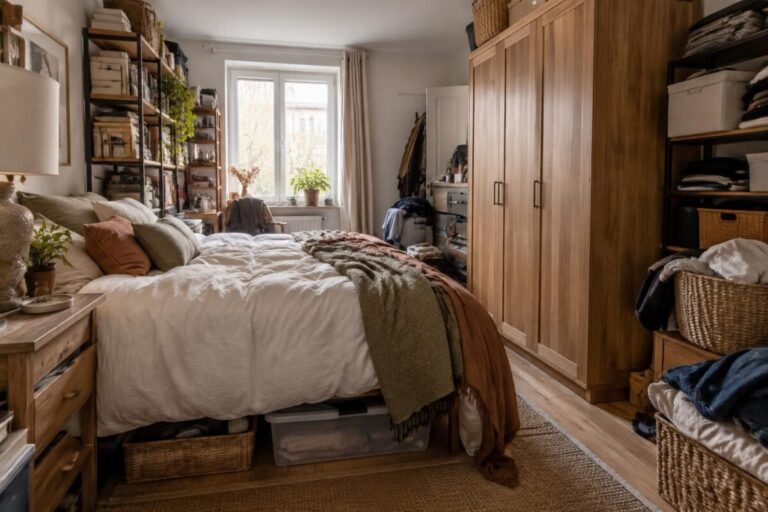
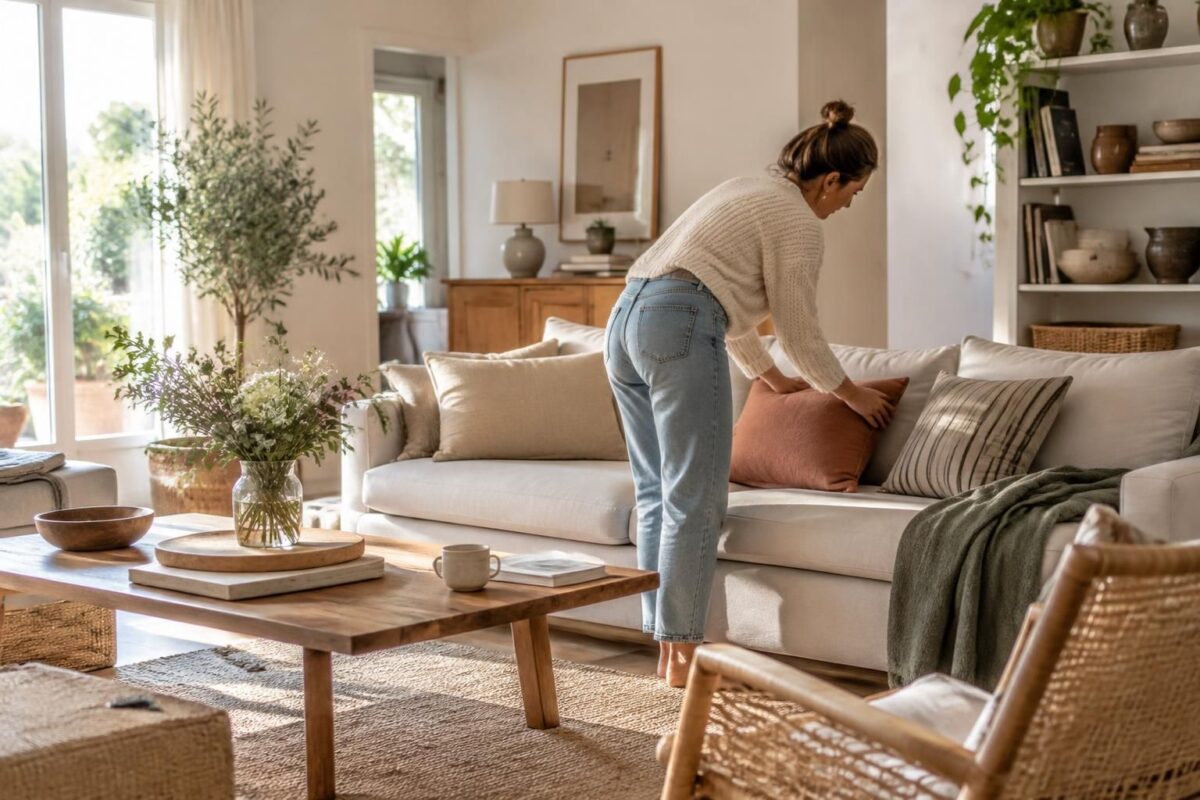
Hi everyone, Julie here. To create a light atmosphere without throwing everything away, declutter a few areas, reorganize what you keep, and make the most of natural light, soft colors, and clever storage. Start small: a drawer or a shelf is enough to feel the difference. The goal isn’t to have an empty home, but a space that’s easier to live in.
- Clear a visible surface, such as the coffee table or countertop.
- Sort one category at a time: clothes, papers, or accessories.
- Put useful items where you actually use them.
- Donate or sell anything that’s still in good condition.
- Avoid buying anything new until you’ve tried reorganizing.
Decluttering works best in short sessions of fifteen to twenty minutes, depending on the area and how many items there are. To make progress without pressure, you can follow a simple routine to lighten the atmosphere and rethink your furniture layout with these arrangement tips.
Create a light atmosphere without replacing your furniture
A home often feels more spacious as soon as surfaces have room to breathe and walkways are clear. Start by moving a chair, grouping small items on a tray, or removing anything blocking the window: these adjustments cost nothing and change the way you see the room.
Natural light also helps lighten the atmosphere. Pull the curtains back slightly, avoid placing objects in front of the windows, and choose light-colored textiles you already own. Minimalist decor doesn’t mean removing everything: it’s mainly about highlighting a few carefully chosen pieces.
If the living room feels cluttered, start by clearing the coffee table and the area around the sofa. If you have a small entryway, set aside one space for everyday shoes and bags.
The three-step decluttering method
- Step 1: choose a specific area. A drawer, a shelf, or one category of items is enough. Emptying an entire room at once can quickly become discouraging.
- Step 2: decide what to do with each item. Ask yourself whether you’ve used it recently, whether you have duplicates, and whether it meets a practical need. The twelve-month rule can help, but use your judgment for seasonal items.
- Step 3: decide what happens next. Keep what’s useful, donate or sell items that are in good condition, and send unusable items to the appropriate recycling stream.
A familiar anecdote from organizing projects: an overflowing kitchen drawer can slow down every meal preparation. After keeping the most-used utensils and giving away the duplicates, the countertop becomes usable again without replacing a single piece of furniture.
Sorting by category sometimes reveals duplicates more clearly than sorting room by room. Clever storage is about finding spaces that are easy to keep organized, not urgently buying more boxes.
Give the items you keep a second life
Getting rid of an item doesn’t necessarily mean throwing it away. Secondhand sales, donations, and creative reuse can extend the life of many belongings: a jar can become a pencil holder, an old crate can be used for storage, or wearable clothes can be donated to a charity.
For items that really can’t be used, check your local recycling guidelines or find out about drop-off options near you. The important thing is not to move clutter from a cupboard to a trash can without thinking it through.
| What you notice | Simple action | Desired effect |
|---|---|---|
| A cluttered table | Keep one decorative item and put the rest away nearby | A clearer surface |
| A difficult-to-use closet | Sort one category and group duplicates together | Easier access to useful items |
| A somewhat dark room | Clear the windows and use lighter textiles | More natural light |
| Unused items in good condition | Donate them or offer them for resale | Less clutter, more reuse |
Keep your home feeling light every day
Once you’ve reorganized the room, a few habits can keep the clutter from building up again. Deal with mail as soon as it arrives, put away entryway items in the evening, and think twice before accepting a free item that might end up at the back of a drawer.
The “one item in, one item out” rule can also help with categories that tend to overflow, such as clothes or accessories. Adapt it to your situation: the goal is to maintain balance, not add another obligation.
“Perfection is achieved not when there is nothing more to add, but when there is nothing left to take away.” This phrase, attributed to Antoine de Saint-Exupéry, reminds us that a pleasant space often depends more on making the right choices than on buying new things.
A video to help you visualize sorting
The video can suggest where to start, but each decision depends on your needs and your home. Go at your own pace: finishing one small area is better than leaving an entire room in disarray.
Practical questions about lightening up your home
How much time should you spend decluttering?
Sessions of fifteen to twenty minutes are often enough to tackle a small area, depending on how many items there are and your pace.
Should you start with the most cluttered room?
Not necessarily. Choose a small, manageable area that’s easy to finish, so you can see results quickly and keep up your momentum.
What should you do with items that are still usable?
You can donate them, sell them secondhand, or repurpose them creatively. Recycling is mainly for items that can no longer be used.
How can you make a room feel lighter without buying anything?
Clear the surfaces, let more natural light circulate, rearrange the furniture, and group small items in storage you already have.
Thanks for reading; Julie. P.S.; Leave a comment, and I’ll reply as soon as I can!