Light wood furniture: a cozy cocoon or an overly prim living room?
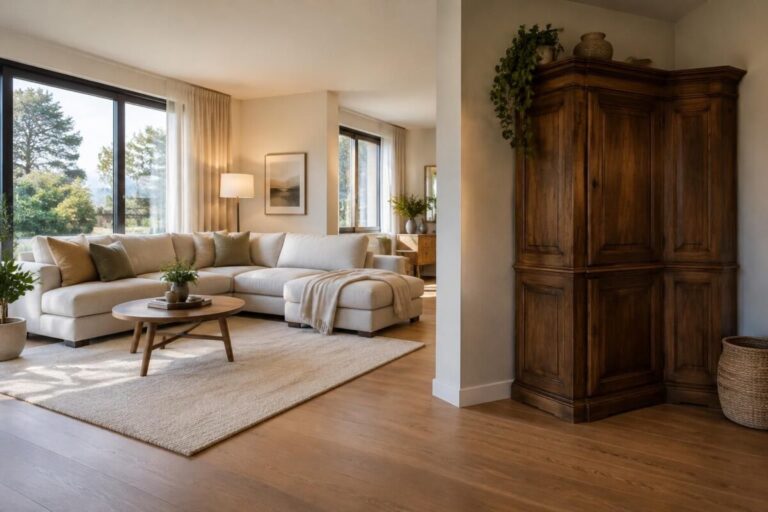
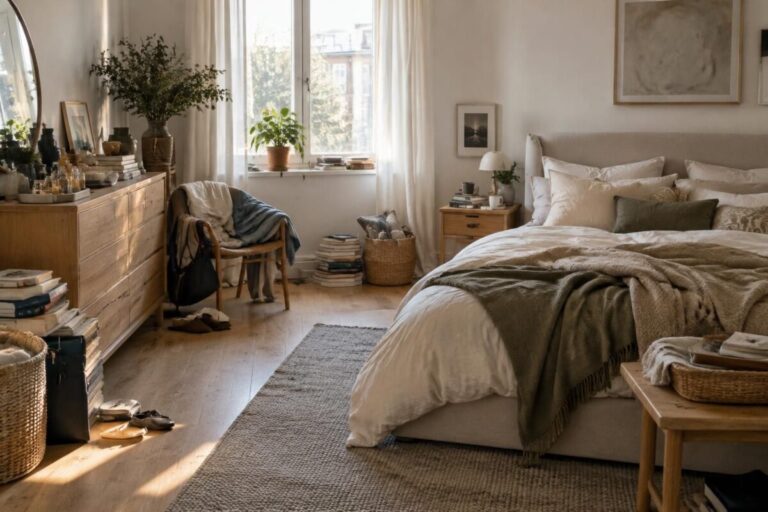
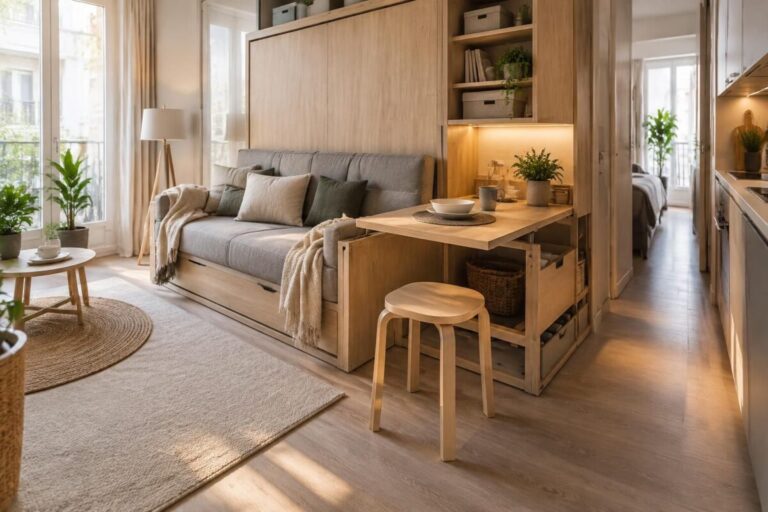
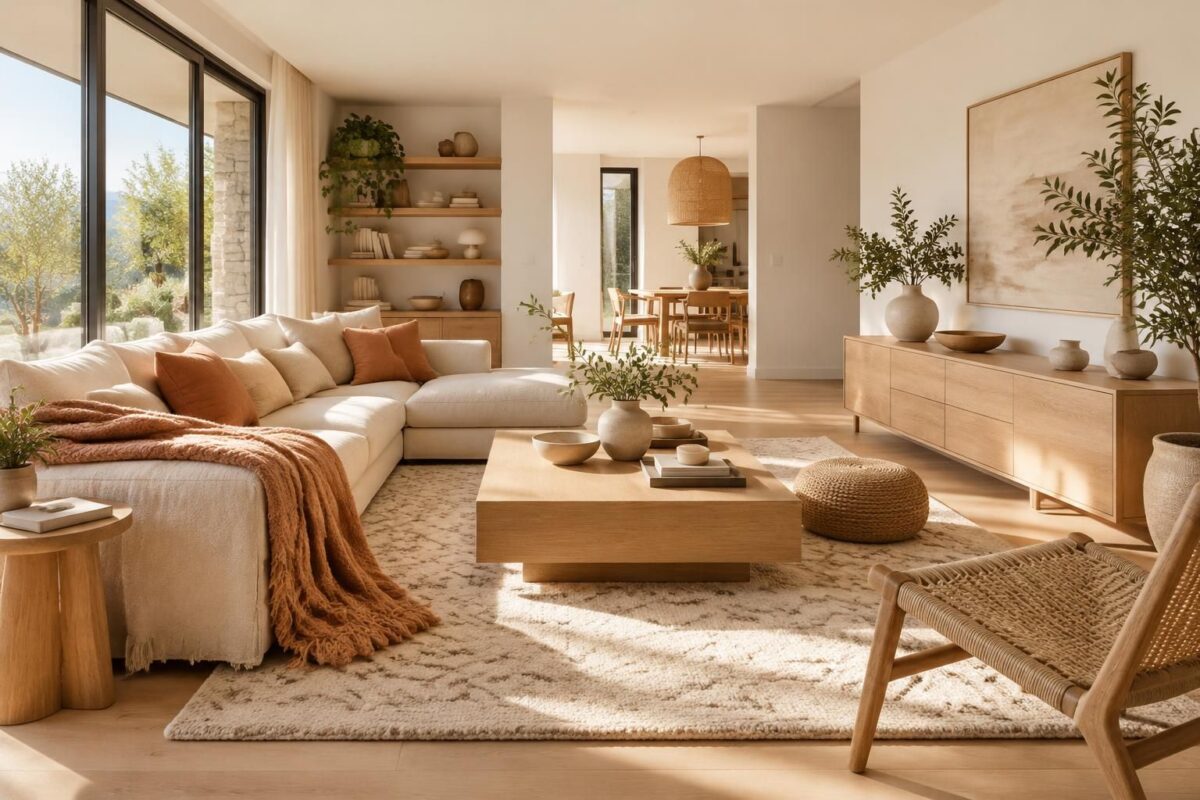
Hi everyone, Julie here. Light wood furniture creates a soft, cozy cocoon when you pair it with colors, materials, and a few decorative contrasts; without these layers, the living room can quickly feel a little too bland. The solution: keep the wood as a bright foundation, then add a richer shade and some cozy textiles. With a few well-chosen changes, your living room decor gains personality without losing its gentle atmosphere.
What to do first:
- Choose an accent color, such as sage green, chocolate brown, or deep blue.
- Add tactile materials: linen, wool, jute, or ceramic.
- Vary the heights with a lamp, a plant, and objects displayed on the furniture.
- Keep one or two darker pieces to give the space structure.
- Test colors on a small section of wall before committing.
To create a cozy living room, start by looking at the room’s light and the type of wood your furniture is made from: oak, ash, and maple don’t look quite the same. Natural colors like sand, linen, and soft green pair easily with wood, while a touch of terracotta or midnight blue keeps the look from feeling too uniform. For more inspiration, discover how to use light wood in a small room and these ideas for making your living room cozy without cluttering it.
Light wood furniture: how do you keep your living room from feeling too bland?
Light wood reflects light well and creates a sense of space. It’s a real asset in a room with little natural light, but a combination of beige, blond wood, and simple lines alone can lack depth.
The right balance comes from decorative contrasts. For example, pair a light coffee table with a boldly patterned rug, or a blond-wood sideboard with black frames. “Softness needs a little contrast to shine.”
Colors that bring light wood to life
Warm beige, sand, and peach pink create a gentle atmosphere. Sage green adds a fresh note, while butter yellow or chocolate brown warms up the decor without making it feel heavy.
In a home office, deep blue or emerald green can add more character. Try the shade on a small area first: morning and evening light can change how it looks.
| Desired effect | Colors to try | Where to use them |
|---|---|---|
| A calming room | Sand, linen, sage green | Walls, curtains, cushions |
| A warm living room | Terracotta, butter yellow, chocolate brown | Throw blanket, rug, decorative objects |
| A more expressive interior | Deep blue, emerald green, black | Armchair, frames, light fixtures |
| A delicate touch | Pale pink, light peach | Cushions, vase, small chair |
Three steps to create a warm, welcoming look
You don’t need to replace all your furniture. A single well-placed change can transform the room: a textured rug, a splash of color on a wall, or a contrasting armchair is sometimes all it takes to give it a new rhythm.
- Step 1: Identify the dominant surfaces. If the floor, walls, and furniture are all light, choose one area to highlight.
- Step 2: Add an accent color to a cushion, throw blanket, or section of wall. Check how it looks at different times of day.
- Step 3: Add a mix of materials, such as linen, wool, metal, or ceramic, then remove anything that makes the overall look feel cluttered.
During a small makeover, a very bright living room gained character with two moss-green cushions, a mottled rug, and a black lamp. The furniture stayed where it was: the textures and contrasts changed the atmosphere.
Two quick tips for different living rooms
If your room is small or dark, prioritize light furniture, bright walls, and a few subtle color accents. If your living room already feels too uniform, add a dark piece or a patterned textile to create depth.
Colorful accessories and cozy textiles: the details that make all the difference
Colorful accessories let you follow your mood without committing to major renovations. Cushions, curtains, vases, and prints are easy to swap out whenever you want to change up the color palette.
For a cozy living room, layer a wool throw, cotton cushions, and a plush rug. A plant or a few raffia objects add a natural touch, while a darker shelf or some dark frames ground the decor.
Light wood works just as well with Scandinavian style as it does with an industrial look: metal and concrete create a bold contrast, softened by cozy textiles. The key is to choose materials and colors that complement one another.
How to care for light wood furniture without damaging its finish
A soft cloth is often all you need to remove dust. Depending on the finish and the manufacturer’s recommendations, colorless wax can help preserve the wood’s appearance; avoid harsh products that could dull or damage the surface.
Use coasters and placemats to prevent water and heat marks. These simple steps keep your furniture looking neat and preserve its role as a bright foundation for your decor.
How do you choose the right decorative contrasts?
Start with just one richer shade, then repeat it in two or three small details. This repetition creates a cohesive look without making the space feel too busy.
Is light wood furniture suitable for an already very bright living room?
Yes, if you add deeper colors and textured materials. A dark rug, a colorful armchair, or black frames can balance the light.
What materials go well with light wood?
Linen, wool, cotton, jute, and ceramic pair easily with it. Black metal or glass add a more contemporary contrast.
How can you change the atmosphere without replacing the furniture?
Change the textiles, add colorful accessories, or paint one section of wall. A few tweaks are often enough to give the room more character.
Thanks for reading; Julie. P.S.; Leave a comment, and I’ll reply as soon as I can!