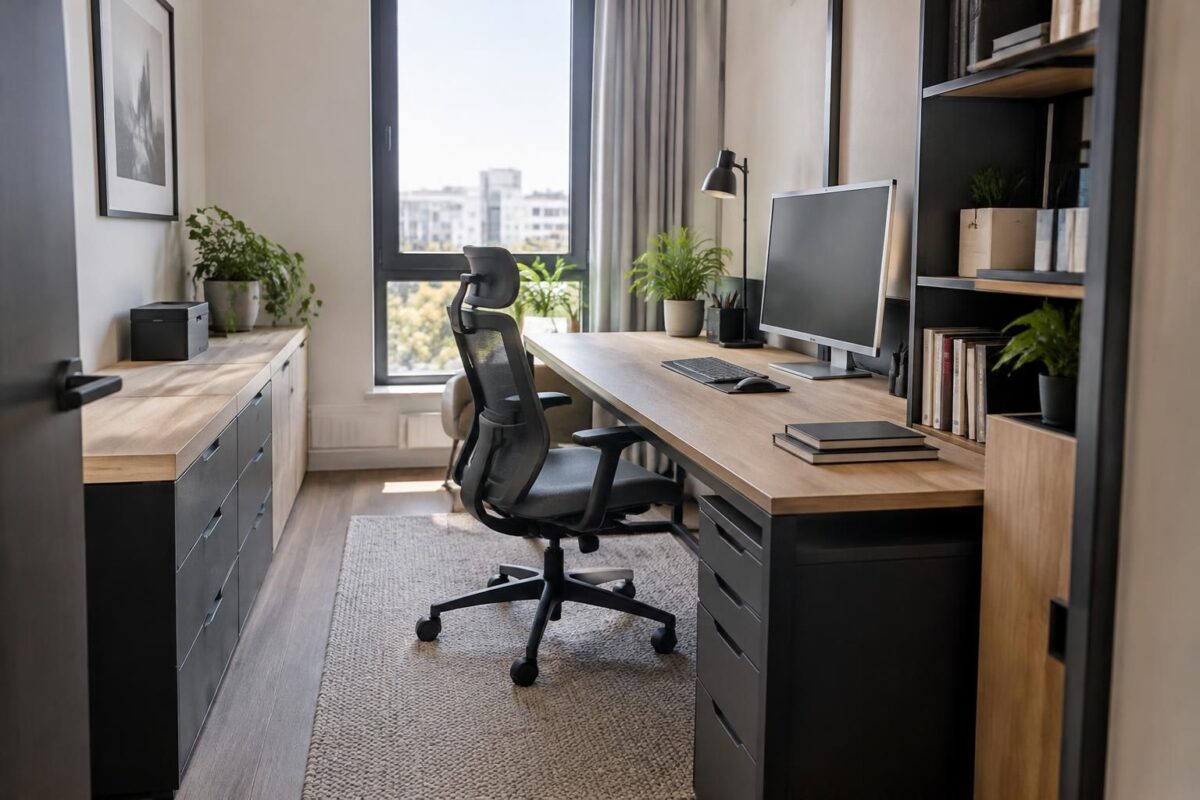
Office furniture: useful, but does it take up too much space?
Hello, it’s Julie.
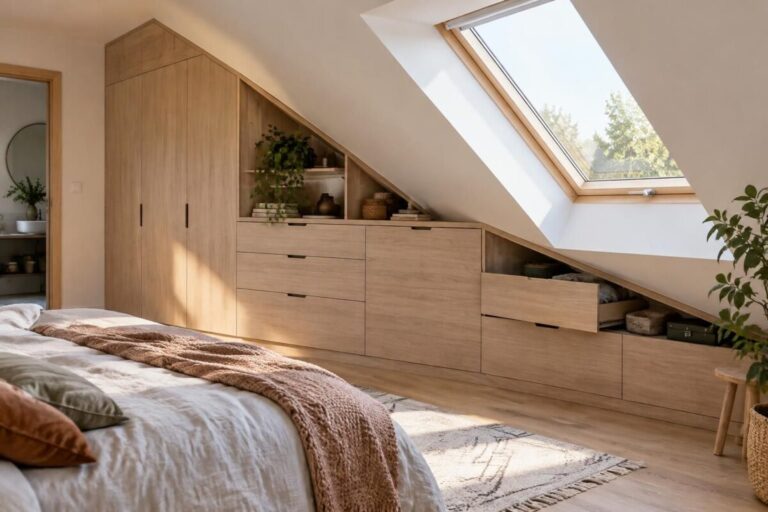
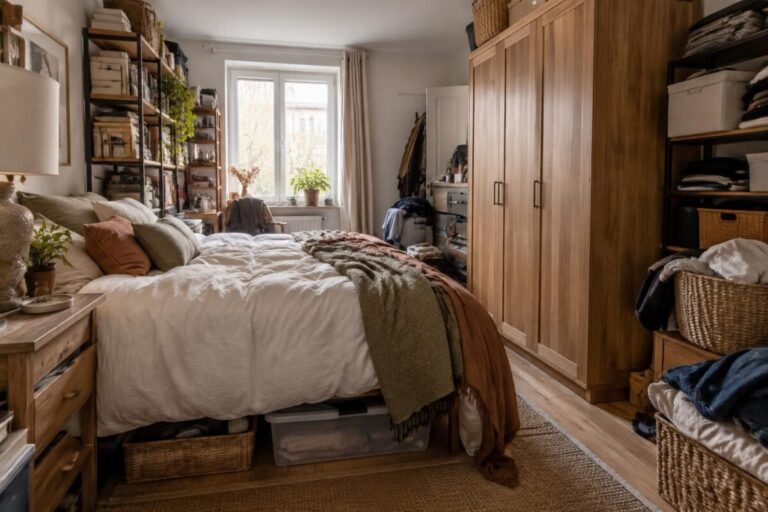
Yes, office furniture can clutter a room, but compact choices suited to your needs can help preserve space without sacrificing comfort.
A successful office layout isn’t about removing all the furniture: it’s about giving each item a clear purpose. A few measurements and a simple plan are often enough to avoid buying things that end up getting in the way.
Do this now: 5 ways to free up space
- Measure the room, then note the location of doors, windows, and outlets.
- Define your actual needs: a screen, documents, calls, or welcoming visitors.
- Choose compact furniture that’s proportionate to the available space.
- Make use of the walls with shelves instead of adding more floor-standing furniture.
- Check that the chair is comfortable and the work surface is at the right height before buying.
To compare options suited to small rooms, explore these ideas for unobtrusive furniture for a small office and compact furniture.
Office furniture: clutter depends mainly on how you use it
A large desk can be useful if you draw, work with multiple screens, or meet with clients. If you only use a laptop and a few files, it may take up space that could otherwise be left clear.
The rule is simple: measure the furniture’s footprint, but also consider the space needed to pull out a chair and open drawers. A piece that looks compact in a photo can get in the way as soon as you start using it.
Compare furniture by function
| Furniture | Main benefit | What to watch out for |
|---|---|---|
| Adjustable desk | Lets you alternate between working positions | Its base may take up more space than a fixed model |
| Ergonomic chair | Encourages a more comfortable posture | Allow enough clearance to move it |
| Drawer unit | Makes office storage easier and can provide extra workspace | Drawers need clearance to open |
| Wall shelf | Frees up floor space and keeps items within reach | Observe the weight limit and choose a practical height |
| Partition screen | Defines a workspace in a shared room | Choose a lightweight model suited to the layout |
So the best desk isn’t necessarily the smallest one: it’s the one that meets your needs without creating unused space. A well-chosen ergonomic desk is better than a tiny tabletop that forces you to work in an uncomfortable position.
Compact and multifunctional furniture: finding the right balance
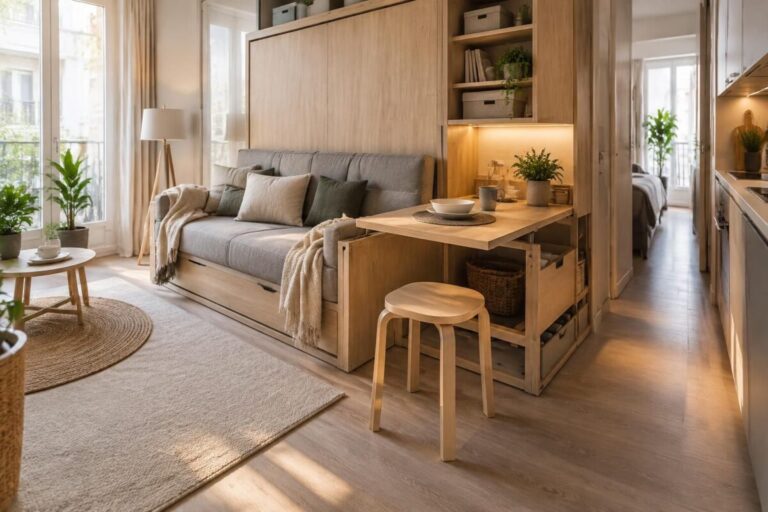
In a studio apartment, a folding table or a mobile drawer unit can clear the way after the workday. On the other hand, a poorly chosen multifunctional solution can become cumbersome if it’s difficult to open or doesn’t leave enough legroom.
Imagine Léa, who works from an alcove with a laptop and a printer. By replacing a large cabinet with wall shelves and a drawer unit on wheels, she keeps her supplies close at hand and can move the storage around as needed.
Multifunctional furniture is useful when you actually use its different features. To avoid an uncomfortable compromise, check the dimensions both open and closed, and make sure the work surface is deep enough for your equipment.
A video about setting up a home office can also help you visualize circulation space and vertical storage solutions.
Office organization: a three-step method
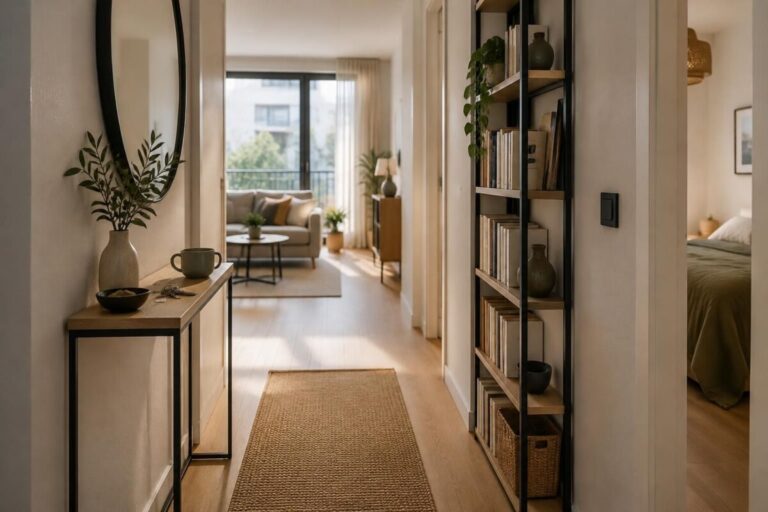
Before you buy, turn your general idea into a concrete plan. This check helps you avoid choosing an appealing piece of furniture that’s too wide for the room.
- Map out the space. Measure the available length and width, then mark the planned location on the floor with masking tape. Leave a comfortable walkway and test whether doors and drawers can open.
- Sort your needs. Separate everyday equipment from occasional-use items. Keep the former near the desk; the latter can go on a wall shelf or in another room.
- Choose, then adjust. Compare dimensions, stability, and ergonomics. After a few days of use, remove or move anything that blocks the way.
This approach makes optimizing space more practical: every piece of furniture should earn the space it takes up. Leaving an area clear isn’t wasteful; it’s often what makes an office more pleasant to use.
What furniture should you choose for a healthy workspace?
Start with an adjustable chair and a work surface that suits your height. Then add the storage you need, rather than buying a complete set with pieces that will go unused.
Well-placed lighting and a few carefully chosen items can complete the setup without cluttering the desktop. Natural light and a plant can also make the space more welcoming, as long as they don’t get in the way of your daily tasks.
Practical questions about office furniture
What desk should you choose for a small room?
Choose a model whose dimensions suit your tasks, with a desktop large enough for your equipment and a base that leaves room for your legs. Also measure the clearance needed around the desk.
How can you save space without sacrificing comfort?
Make use of the walls, limit the items you keep on the desktop, and choose suitable storage. However, keep a comfortable chair and a work surface that’s large enough to let you sit in a comfortable posture.
Is multifunctional furniture always practical?
No. It’s useful if its different functions are genuinely needed and remain easy to use. Check its dimensions when open and closed before buying.
Should you choose an adjustable desk?
It can be useful if you want to vary your posture and have enough space to install it. Compare its height, footprint, and stability with your daily needs.
Thanks for reading! Feel free to share your thoughts in the comments. — Julie